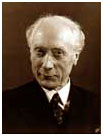
ÿþ <!DOCTYPE HTML PUBLIC "-//W3C//DTD HTML 4.0 Transitional//EN"> <HTML> <HEAD> <META http-equiv="Content-Type" content="text/html; charset=Shift_JIS"> <TITLE>ATC Kyoto | The Alexander Technique Centre in Japan - Information </TITLE> <LINK REL=STYLESHEET HREF="atc_e.css" TYPE="TEXT/CSS"> <script Language="JavaScript"> <!-- function swImg(iName,str) { document.images[iName].src = str; } // --> </script> </HEAD> <BODY BACKGROUND="img/bg.jpg" BGCOLOR="#FFFFFF" TEXT="#232323" MARGINHEIGHT="0" MARGINWIDTH="0" LEFTMARGIN="0" TOPMARGIN="0"> <map name="japanese"> <area shape="rect" coords="651,28,723,41" alt="JAPANESE" href="index.html"> </map> <CENTER> <IMG SRC="img/dot0.gif" WIDTH="1" HEIGHT="15"><BR> <IMG SRC="img/head_e.gif" ALT="The Alexander Technique Centre (ATC) Kyoto" BORDER="0" WIDTH="730" HEIGHT="50" usemap="#japanese"><BR> <TABLE BORDER="0" CELLSPACING="0" CELLPADDING="0" WIDTH="730" BGCOLOR="#E8E4E0"> <TR> <TD><A HREF="index_e.html" onMouseover="swImg('menu1','img/menu1be.gif')" onMouseout="swImg('menu1','img/menu1ae.gif')"><IMG SRC="img/menu1ae.gif" ALT="HOME" name="menu1" BORDER="0" WIDTH="99" HEIGHT="23"></A></TD> <TD><IMG SRC="img/menu2ae.gif" ALT="Info" WIDTH="96" HEIGHT="23"></TD> <TD><A HREF="atc_e.html" onMouseover="swImg('menu3','img/menu3be.gif')" onMouseout="swImg('menu3','img/menu3ae.gif')"><IMG SRC="img/menu3ae.gif" ALT="ATC-Lessons,Workshops" name="menu3" BORDER="0" WIDTH="125" HEIGHT="23"></A></TD> <TD><A HREF="teachers_e.html" onMouseover="swImg('menu4','img/menu4be.gif')" onMouseout="swImg('menu4','img/menu4ae.gif')"><IMG SRC="img/menu4ae.gif" ALT="Teachers" name="menu4" BORDER="0" WIDTH="106" HEIGHT="23"></A></TD> <TD><A HREF="literature_e.html" onMouseover="swImg('menu5','img/menu5be.gif')" onMouseout="swImg('menu5','img/menu5ae.gif')"><IMG SRC="img/menu5ae.gif" ALT="Literature" name="menu5" BORDER="0" WIDTH="107" HEIGHT="23"></A></TD> <TD><A HREF="links_e.html" onMouseover="swImg('menu6','img/menu6be.gif')" onMouseout="swImg('menu6','img/menu6ae.gif')"><IMG SRC="img/menu6ae.gif" ALT="Links" name="menu6" BORDER="0" WIDTH="97" HEIGHT="23"></A></TD> <TD><A HREF="contact_e.html" onMouseover="swImg('menu7','img/menu7be.gif')" onMouseout="swImg('menu7','img/menu7ae.gif')"><IMG SRC="img/menu7ae.gif" ALT="Contact" name="menu7" BORDER="0" WIDTH="100" HEIGHT="23"></A></TD> </TR> </TABLE> <TABLE BORDER="0" CELLSPACING="0" CELLPADDING="0" WIDTH="730" BGCOLOR="#FFFFFF" BACKGROUND="img/bg_jp.jpg" STYLE="background: #FFFFFF url(img/bg_jp.jpg) no-repeat;"> <TR> <TD BGCOLOR="#686868" WIDTH="1"><IMG SRC="img/dot0.gif" WIDTH="1" HEIGHT="1"></TD> <TD ALIGN="center" VALIGN="top" WIDTH="728"> <TABLE BORDER="0" CELLSPACING="0" CELLPADDING="0" WIDTH="728"> <TR><TD><IMG SRC="img/t_infoe.gif" ALT="Info" VSPACE="8" WIDTH="226" HEIGHT="23"></TD></TR> </TABLE> <TABLE BORDER="0" CELLSPACING="0" CELLPADDING="2" WIDTH="630"> <TR> <TD><B>What is The Alexander Technique?</B></TD></TR> </TABLE> <TABLE BORDER="0" CELLSPACING="0" CELLPADDING="4"> <TR> <TD></TD></TR> <TR> <TD ALIGN="center"><IMG SRC="img/wordse.gif" WIDTH="580" HEIGHT="60"></TD></TR> </TABLE> <BR> <TABLE BORDER="0" CELLSPACING="0" CELLPADDING="0" WIDTH="620"> <TR> <TD WIDTH="5"><IMG SRC="img/sq1.gif" WIDTH="5" HEIGHT="5"></TD> <TD BGCOLOR="#E8E4E0" WIDTH="610"><IMG SRC="img/dot0.gif" WIDTH="610" HEIGHT="1"></TD> <TD ALIGN="right" WIDTH="5"><IMG SRC="img/sq2.gif" WIDTH="5" HEIGHT="5"></TD></TR> <TR> <TD ALIGN="center" COLSPAN="3" BGCOLOR="#E8E4E0"> <TABLE BORDER="0" CELLSPACING="0" CELLPADDING="0" WIDTH="600"> <TR> <TD ALIGN="right" WIDTH="110"><IMG SRC="img/fmalex1.jpg" HSPACE="5" WIDTH="103" HEIGHT="136"><BR> <IMG SRC="img/fmalex2e.gif" VSPACE="3" HSPACE="9" WIDTH="84" HEIGHT="9"></TD> <TD WIDTH="490"> <TABLE BORDER="0" CELLSPACING="0" CELLPADDING="4" WIDTH="490"> <TR><TD CLASS="h130">You come to learn to inhibit and to direct your activity. You learn, first, to inhibit the habitual reaction to certain classes of stimuli, and second, to direct yourself consciously in such a way as to affect certain muscular pulls, which processes bring about a new reaction to these stimuli. Boiled down, it all comes to inhibiting a particular reaction to a given stimulus. But no one will see it that way. They will see it as getting in and out of a chair the right way. It is nothing of the kind. It is that a pupil decides what he will or will not consent to do. They may teach you anatomy and physiology till they are black in the face-you will still have this to face, sticking to a decision against the habit of life.</TD></TR> <TR><TD ALIGN="right">Frederick Matthias Alexander (1869-1955)</TD></TR> </TABLE> </TD></TR> </TABLE> </TD></TR> <TR> <TD WIDTH="5"><IMG SRC="img/sq3.gif" WIDTH="5" HEIGHT="5"></TD> <TD BGCOLOR="#E8E4E0" WIDTH="610"><IMG SRC="img/dot0.gif" WIDTH="610" HEIGHT="1"></TD> <TD ALIGN="right" WIDTH="5"><IMG SRC="img/sq4.gif" WIDTH="5" HEIGHT="5"></TD></TR> </TABLE> <IMG SRC="img/dot0.gif" WIDTH="1" HEIGHT="7"><BR> <TABLE BORDER="0" CELLSPACING="0" CELLPADDING="2" WIDTH="600"> <TR> <TD CLASS="h140"> The Alexander Technique teaches the skilful "use of the self": how we move, how we stay still, how we breathe, how we learn, how we organise our awareness and focus of attention and, above all, how we choose our reactions in increasingly demanding situations. It is a subtle and thoughtful discipline, but essentially practical and problem-solving. The Alexander Technique works through re-establishing the natural relationship between the head, the neck and the back - the "core" of the body that supports the strength of the limbs and which provides the structural environment for breathing and for the internal organs. The natural working of the head, neck, back relationship can usually be seen to be working powerfully, beautifully and effortlessly in small children. At the same time as learning to access the natural relationship between the head, neck and back, conscious and reasoned body awareness, spatial awareness and behavioural awareness are developed so that long-held patterns of movement, posture, breathing and muscular tension, and habits that, for example, affect our learning abilities and psychological stress reactions can be reassessed. Learning gradually to refine and to utilise an improved relationship between the head, neck and back is powerfully health-giving. Good habits of diet and exercise are well understood in their capacity literally to "change what we are"; the long-term effects of good habits of the "use of the self" are less well known, but no less life-changing. You get stronger, you become both more relaxed and more alert, aches and pains fade, you feel calm, confident and self-reliant, you have more stamina, you think more clearly, you recover from injury more quickly, you cope with stress better. The Alexander Technique can enhance personal performance across the whole spectrum of human activity, from elite athletic or artistic performance to the management of disability, pain, illness or injury. Although the effortless upright posture of small children is in sharp contrast to that of most adults, it is possible for practically anyone to rediscover freedom and ease in movement by learning to become aware of, and then learning gradually to strip away, the habits of movement, tension and reaction that interfere with, distort or obscure natural and healthy patterns of coordination. Learning the Alexander Technique is like learning any complex skill, such as playing a musical instrument or sailing a yacht; you need a teacher who has been "playing" or "sailing" for their own pleasure and benefit for years, to teach you new skills, and to help you to incorporate them into your own understanding and your own practice. Similarly, the real value of the Alexander Technique lies in becoming able to apply its principles, by yourself, to your daily activities. <BR>If you wish to learn about this important addition to man's resources of self-awareness and personal education you may contact the ATC Kyoto. This Technique which is is not only valued in educational, theatrical and musical circles as a method of psycho-physical re-education will help you overcome patterns of bodily mis-use that interfere with poise and free movement in all areas of activity. This encourages improved functioning, both physically and psychologically, with attendant benefits in co-ordination, health and well-being. <BR>To view an informative and creative new introductory video on the Alexander Technique please <A HREF="http://alexandertechniquevideo.com/index.html" TARGET="_blank">click </A>here. <BR> For further detailed information and useful guidance to The Alexander Technique in Japan you may visit the official website of the japanese Alexander Network JSTAT <A HREF="http://www.jstat.jp/index_e.html" TARGET="_blank">http://www.jstat.jp </A>which supports the AT since 2002. <BR> Please call the Alexander Technique Center (ATC) Kyoto by phone 075 582 6780 or contact the ATC by <A HREF="mailto:info@alexandertechnique.ne.jp">email</A> for further details about individual lessons, group workshops & our certification program for future teachers. <BR> </SPAN></TD></TR> </TABLE> </TD> <TD BGCOLOR="#686868" WIDTH="1"><IMG SRC="img/dot0.gif" WIDTH="1" HEIGHT="1"></TD></TR> </TABLE> <IMG SRC="img/copy.gif" WIDTH="730" HEIGHT="23"><BR> </CENTER> </BODY> </HTML>